Find Mold Remediation in Frederick
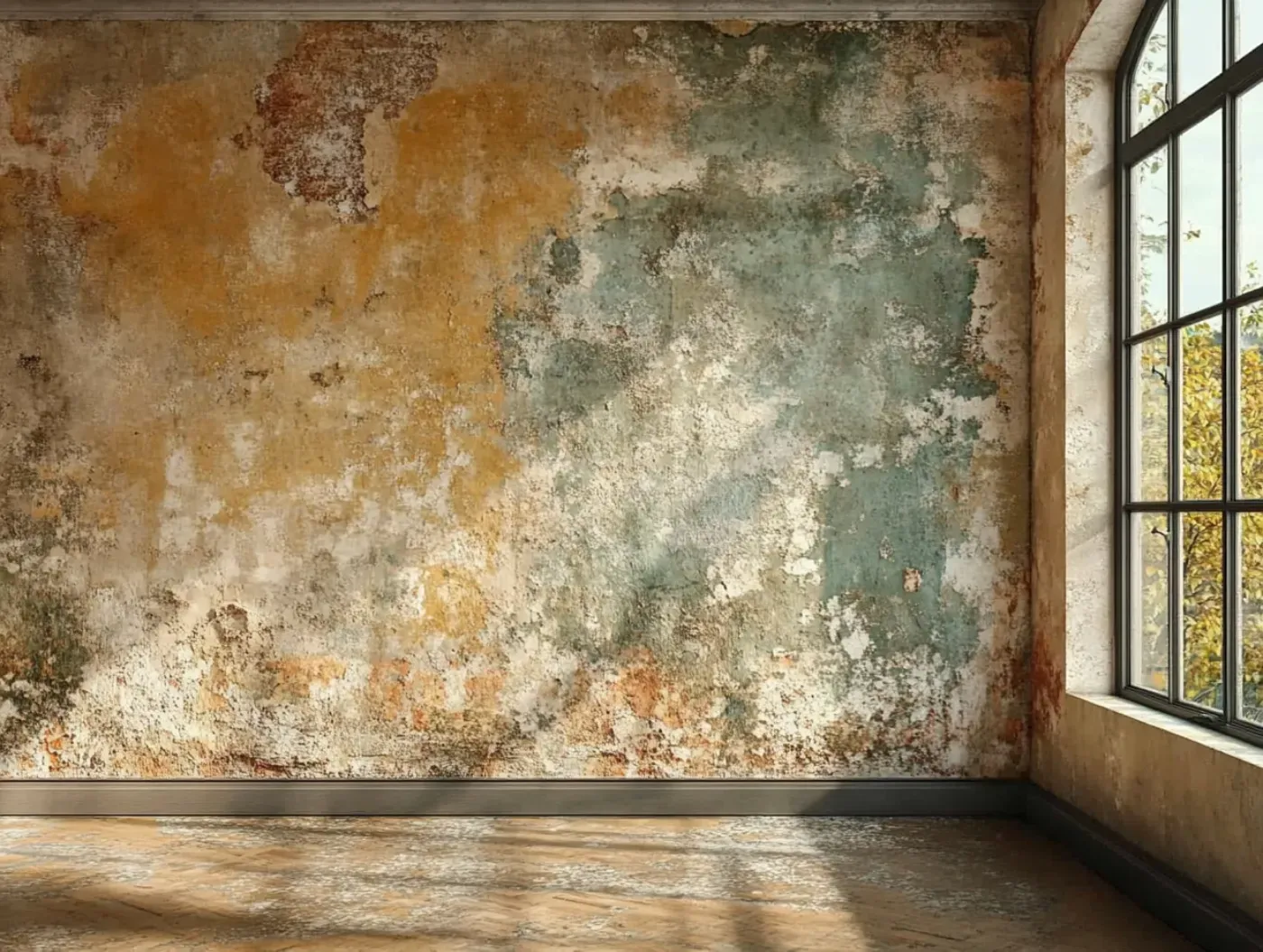
Mold can develop where building materials remain damp because of leaks, flooding, condensation, or high indoor humidity. Visible growth, staining, or a persistent musty odor may indicate that further assessment is needed.
Frederick Mold Remediation helps property owners request connections with independent mold remediation providers. We do not inspect properties, employ remediation technicians, perform mold removal, or operate a staffed restoration office in Frederick.
Signs That May Require Professional Assessment
Consider contacting a qualified provider when you notice:
- Visible growth or discoloration on walls, ceilings, or other materials
- Persistent musty odors
- Mold returning after surface cleaning
- Recent flooding, leaks, or plumbing failures
- Damp drywall, flooring, insulation, or wood
- Condensation or consistently high indoor humidity
- Suspected growth inside concealed building cavities
- Damage affecting a large or difficult-to-access area
Mold appearance alone does not identify its species or determine the appropriate response. If anyone experiences health symptoms, consult a qualified healthcare professional. A website or restoration provider should not diagnose medical conditions.
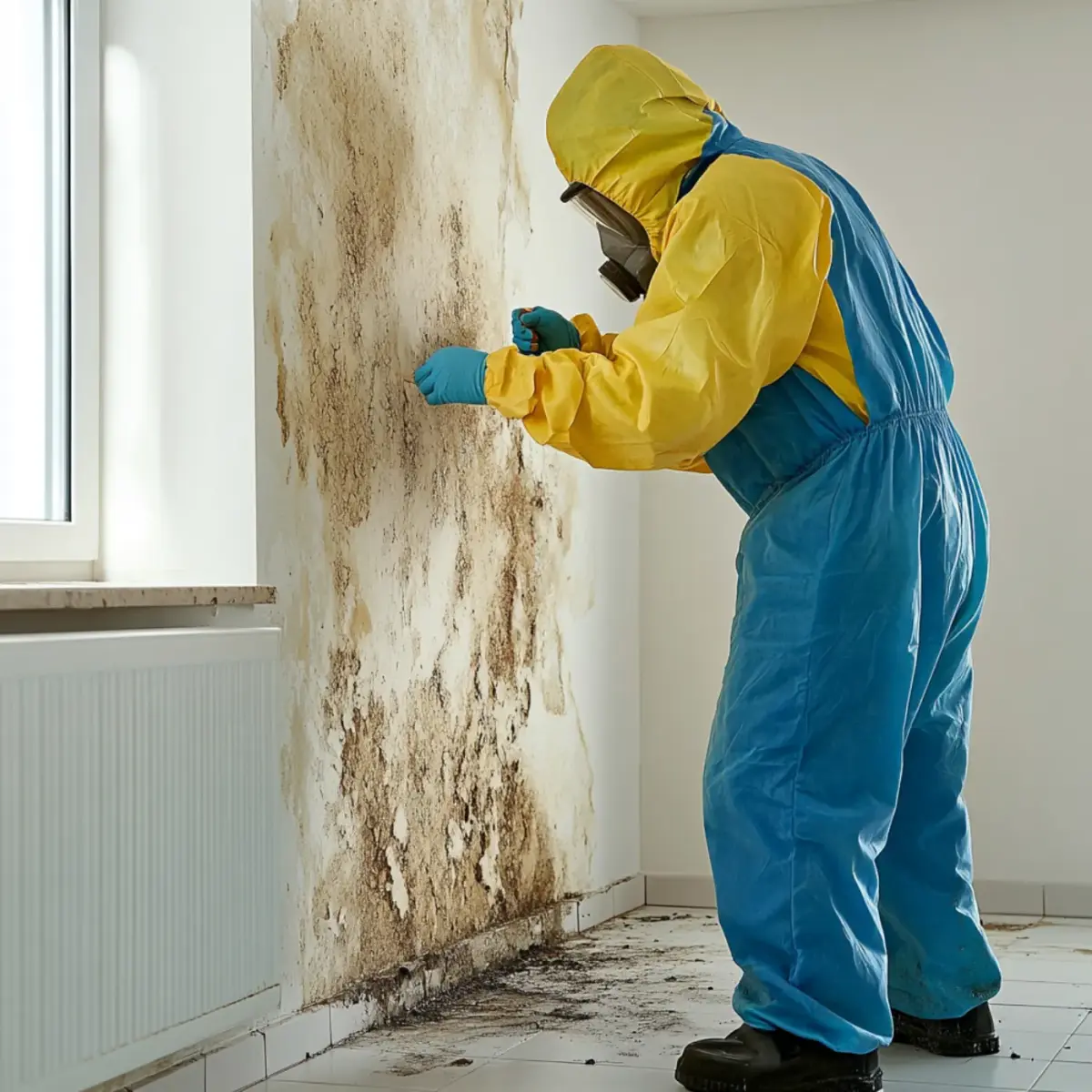
Typical Mold Remediation Process
The specific process depends on the property, affected materials, moisture source, and independent provider’s assessment. Services may include:
1. Assessment and Moisture Investigation
The provider examines visible conditions and looks for leaks, humidity, condensation, or other moisture sources. Testing may be recommended in some circumstances but is not automatically required for every visible mold issue.
2. Scope and Containment
The provider prepares a proposed scope and may isolate affected areas to reduce the movement of dust and spores during work.
3. Removal and Cleaning
Affected porous materials may require removal, while suitable surfaces may be cleaned using methods selected by the provider. Contaminated materials should be handled and disposed of appropriately.
4. Air and Dust Control
Depending on the project, a provider may use HEPA-filtered equipment or other controls while work is underway. Ask what equipment is proposed and why it is appropriate.
5. Moisture Correction
Successful remediation depends on correcting the moisture condition that allowed growth. Plumbing, roofing, ventilation, drainage, or other repairs may require separate contractors.
6. Repairs and Verification
Removed materials may need replacement after remediation. Post-remediation inspection or testing may also be recommended. Ask whether verification should be performed by an independent assessor rather than the remediation contractor.
The provider should explain the scope, exclusions, disposal procedures, repair responsibilities, and completion criteria in writing.
Common Causes of Mold Growth
Conditions that may contribute to mold include:
- Plumbing or roof leaks
- Flooding and unresolved water damage
- High indoor humidity
- Poor bathroom or kitchen ventilation
- Foundation or basement moisture
- Condensation on cold surfaces
- Appliance and HVAC leaks
- Damp crawlspaces or attics
Cleaning visible mold without correcting the moisture source may allow it to return.
Choosing an Independent Provider
Before authorizing mold remediation, confirm:
- The provider’s legal business identity
- Applicable licenses, certifications, and insurance
- Whether inspection and remediation should be separated
- The written scope and estimated price
- Proposed containment and removal methods
- Materials expected to be removed
- Disposal and cleaning procedures
- Responsibility for moisture repairs and reconstruction
- Completion criteria, warranties, and exclusions
- Whether permits or clearance documentation are required
Frederick Mold Remediation does not certify or supervise providers and cannot guarantee availability, credentials, pricing, workmanship, or results.
Request a Provider Connection
Call (227) 217-0702 or submit the contact form to request a connection with an independent mold remediation provider serving Frederick.
Review the provider’s credentials, written scope, pricing, exclusions, warranties, and contract before authorizing work.
Frequently Asked Questions
Does Frederick Mold Remediation perform mold inspections or removal?
No. Frederick Mold Remediation is a referral connector. Inspections, testing, remediation, and repairs are performed by the independent provider you hire.
Is mold testing always required?
Not necessarily. Testing may be useful when growth is hidden, the source is unclear, documentation is required, or an independent professional recommends it. Ask who will perform the testing and how the results will affect the scope.
How quickly can a provider respond?
Response times depend on location, availability, project type, and demand. Confirm scheduling and emergency availability directly with the provider.
Are referred providers certified?
Requirements vary by service and jurisdiction. Verify all licenses, certifications, insurance, and qualifications directly before hiring.